Case Studies from the Field
Written reflections and video testimonials from journalists who have covered mass casualty events provide valuable firsthand insights into the practical and emotional realities of this work. By sharing their experiences, challenges, and coping strategies, these journalists help others learn how to navigate difficult assignments, process their experiences, and build healthier approaches to long-term resilience.
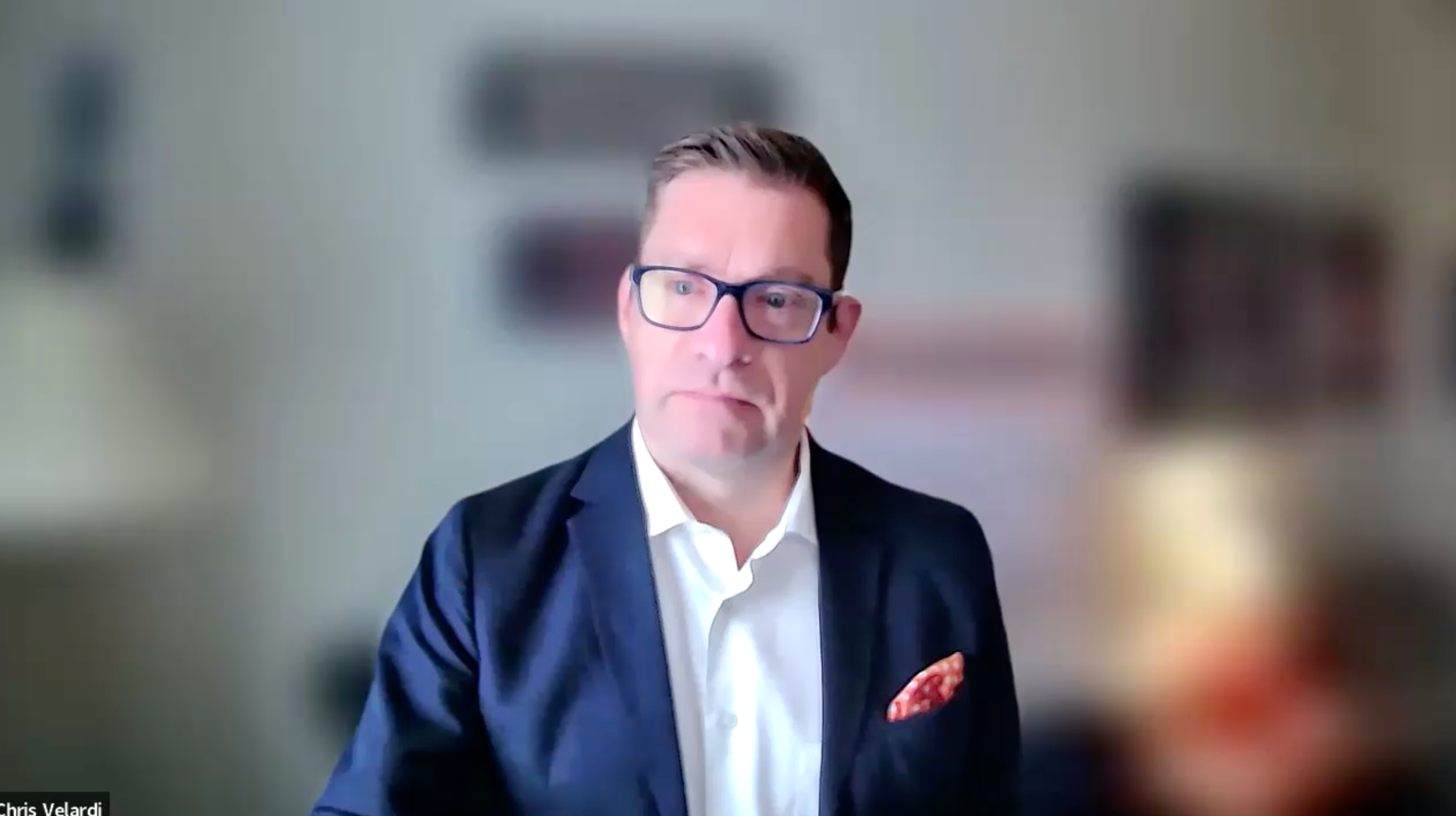
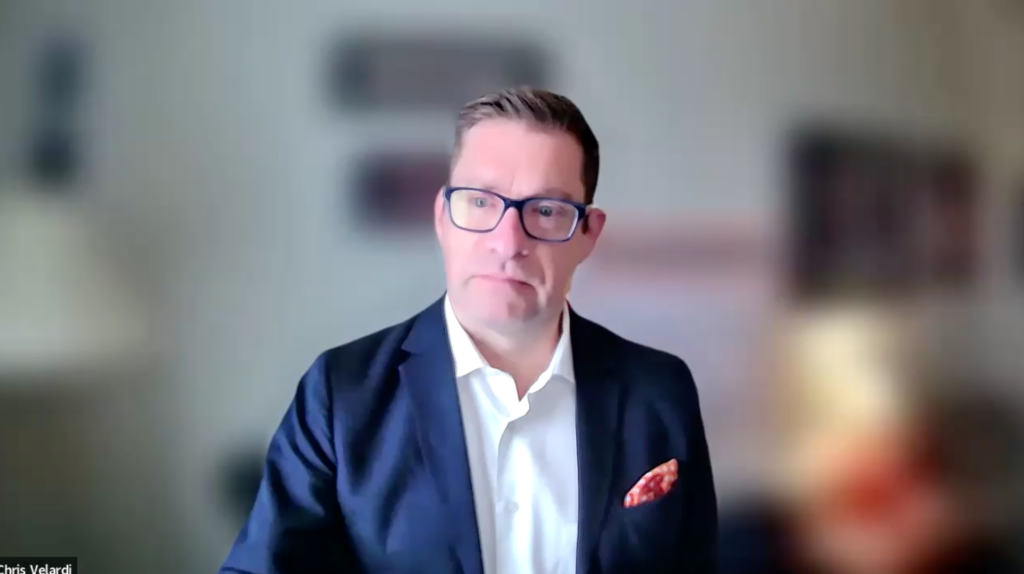
Chris Velardi
Chris Velardi, a broadcast journalist who covered the December 2012 school shooting at Sandy Hook Elementary School in Connecticut. Twenty-six people died in this mass casualty event, including twenty children.
Susie Glassman
Susie Glassman, a local news reporter in Colorado who covered the 2025 Evergreen High School shooting, where two individuals were critically injured and the perpetrator killed himself.
Tamir Kalifa
Tamir Kalifa, a freelance photographer who covered the 2022 Robb Elementary School shooting in Uvalde, Texas, where nineteen students and two teachers were killed.
Julianne Akers
Julianne Akers, a local reporter, who covered the 2025 Antioch High School shooting in Nashville, TN, where one student died and another was injured before the perpetrator killed himself.
Natalie Krebs
Natalie Krebs, a journalist who covered the 2024 Perry High School shooting, where two individuals were killed and six were injured before the perpetrator killed himself.
I spent the day huddled in my compact car waiting for updates from press conferences. I still feel fortunate that day that my assignment was to follow updates for straightforward newscasts. I knew as soon as I walked into that community, I couldn’t risk further traumatizing any teenager or community member by sticking a microphone in their face and asking about deeply painful and confusing events and emotions that they had not yet even begun to process.
The coldness of the day sticks with me to this day. It felt like it matched the shock and sadness of the community, and it sticks with me to this day. But I was also fortunate enough to have support from my news director and colleagues, who checked in with me all day. That was the only day I spent in Perry, and though I didn’t ask for time off after, I knew it would be a request that was easily granted without question.”